
Eco-Friendly Practices in Electronic Recycling: What To Know
Eco-Friendly Practices in Electronic Recycling: What To Know
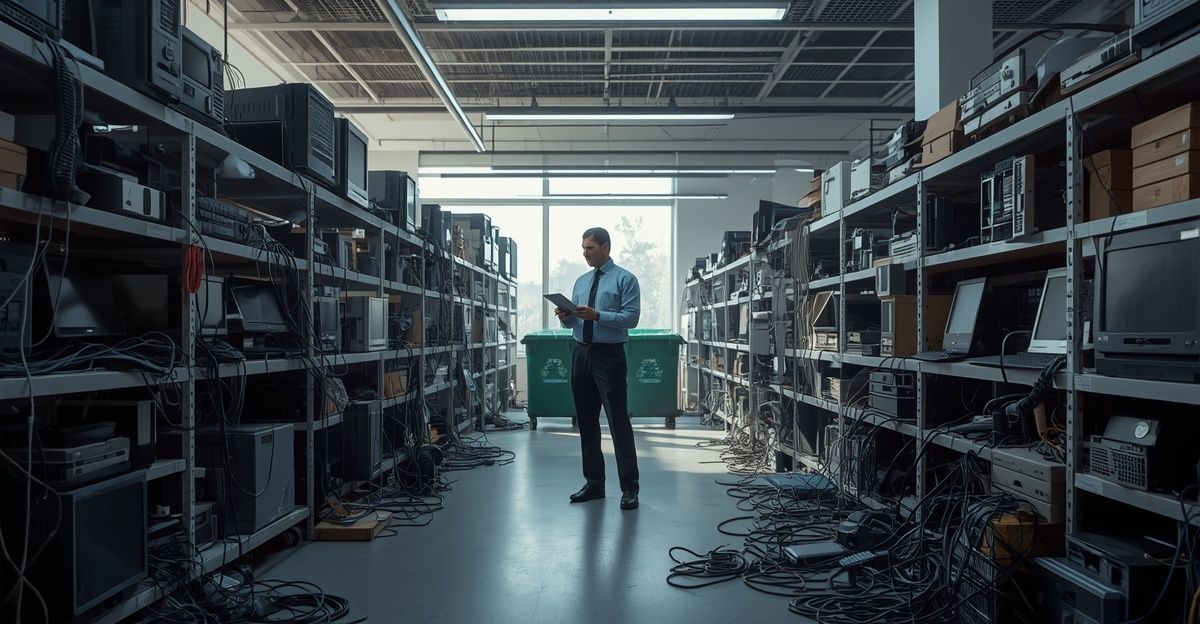
Electronic waste, or e-waste, represents one of the fastest-growing waste streams in the world. With technology advancing at an exponential rate, old electronics are becoming obsolete at an equally rapid pace. However, improper disposal of e-waste can lead to severe environmental and health issues.
This blog post will dive into eco-friendly practices in electronic recycling, focusing on the importance of secure e-waste destruction, the benefits of computer recycling services, and the state of electronics recycling in Massachusetts.
The Growing Problem of E-Waste
The United Nations reported that in 2019, the world generated a staggering 53.6 million metric tons of e-waste. Unfortunately, only 17.4% of that was properly collected and recycled.
The rest ended up in landfills, and incinerators, or was informally processed, causing significant harm to the environment. Toxic materials like lead, mercury, cadmium, and brominated flame retardants can leach into soil and water, posing serious health risks.
The Importance of Secure E-Waste Destruction
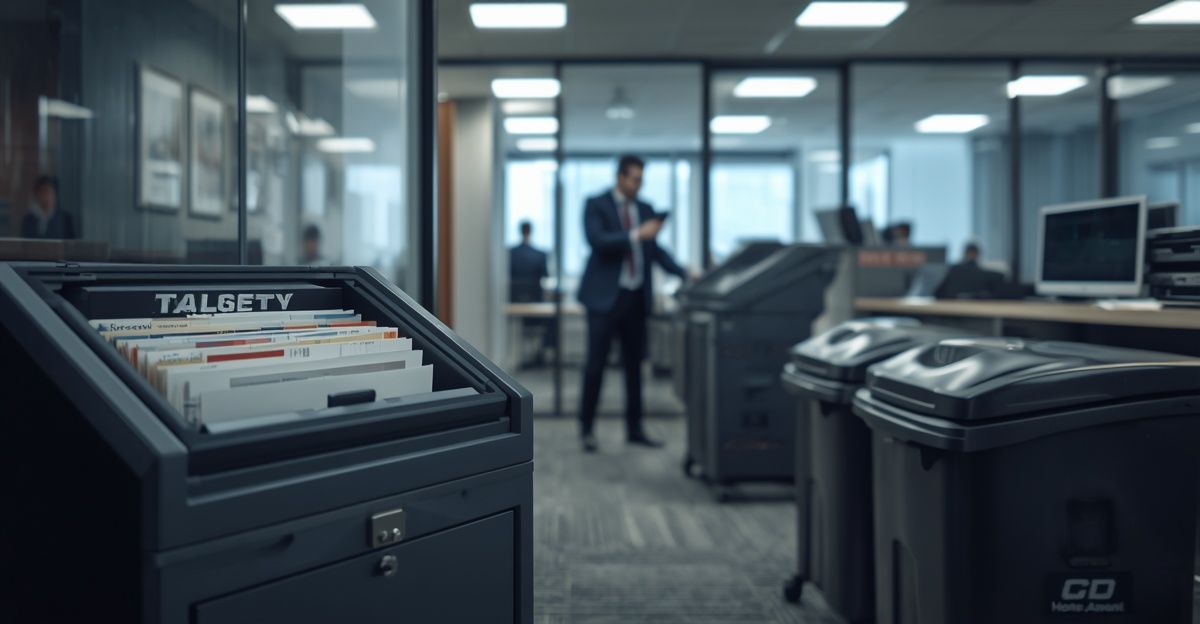
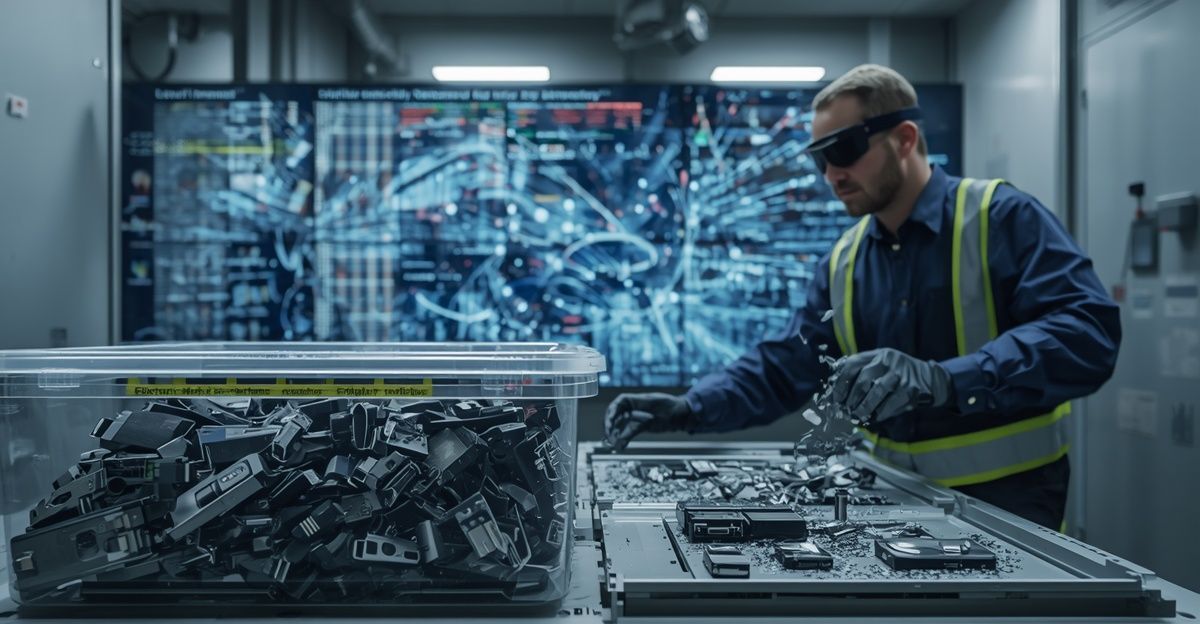
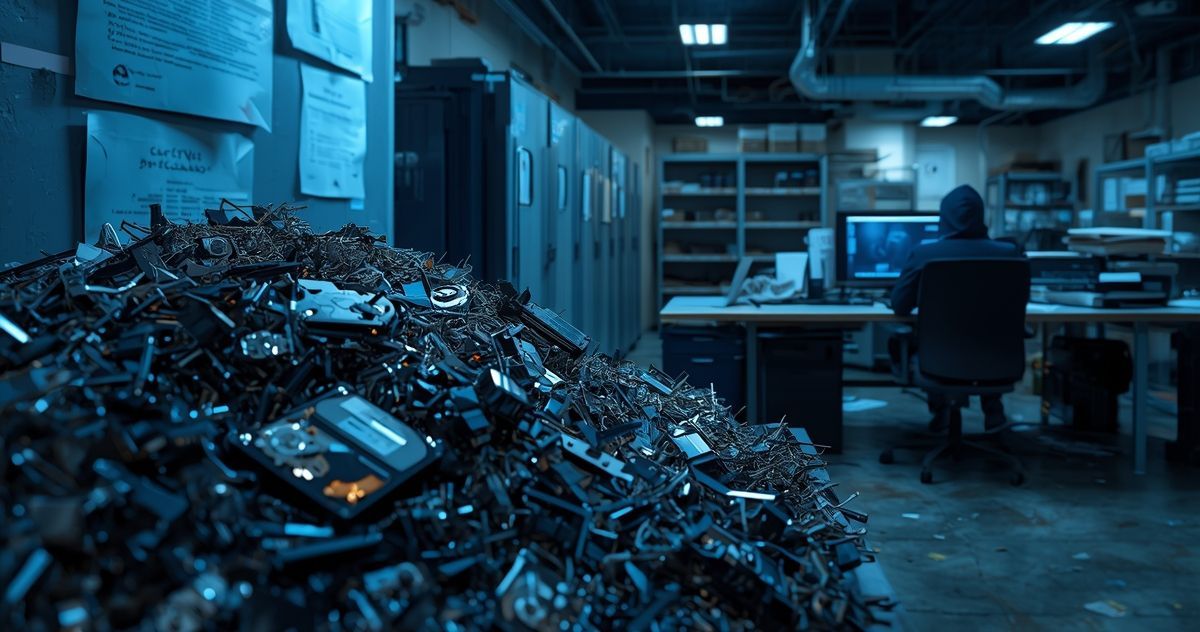
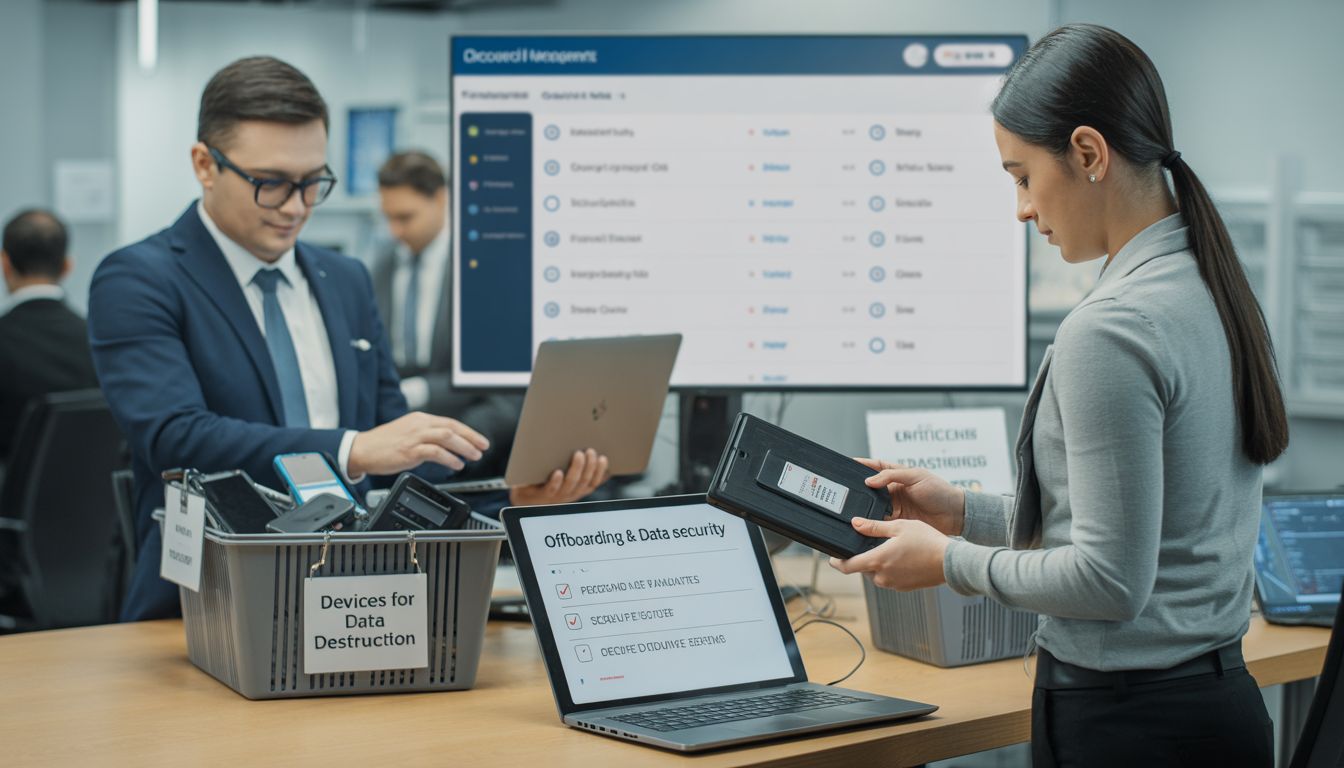
One of the primary concerns with e-waste is data security. When disposing of electronic devices, especially computers, and smartphones, it’s crucial to ensure that all sensitive data is completely destroyed. Secure e-waste destruction involves not just physically shredding the device to erase any information on the device.
Why It Matters
- Data Breaches: Inadequate data destruction can lead to data breaches, exposing sensitive personal or corporate information.
- Legal Compliance: Regulatory frameworks like GDPR, HIPAA, and others mandate proper data destruction to protect individuals' privacy.
- Environmental Responsibility: Secure destruction ensures that harmful materials are properly handled, reducing environmental impact.
Best Practices
- Use Certified Services: Always use certified electronic recycling services that adhere to industry standards for data destruction.
- Physical Destruction: For ultimate security, consider physical destruction methods like shredding or degaussing.
The Benefits of Computer Recycling Services
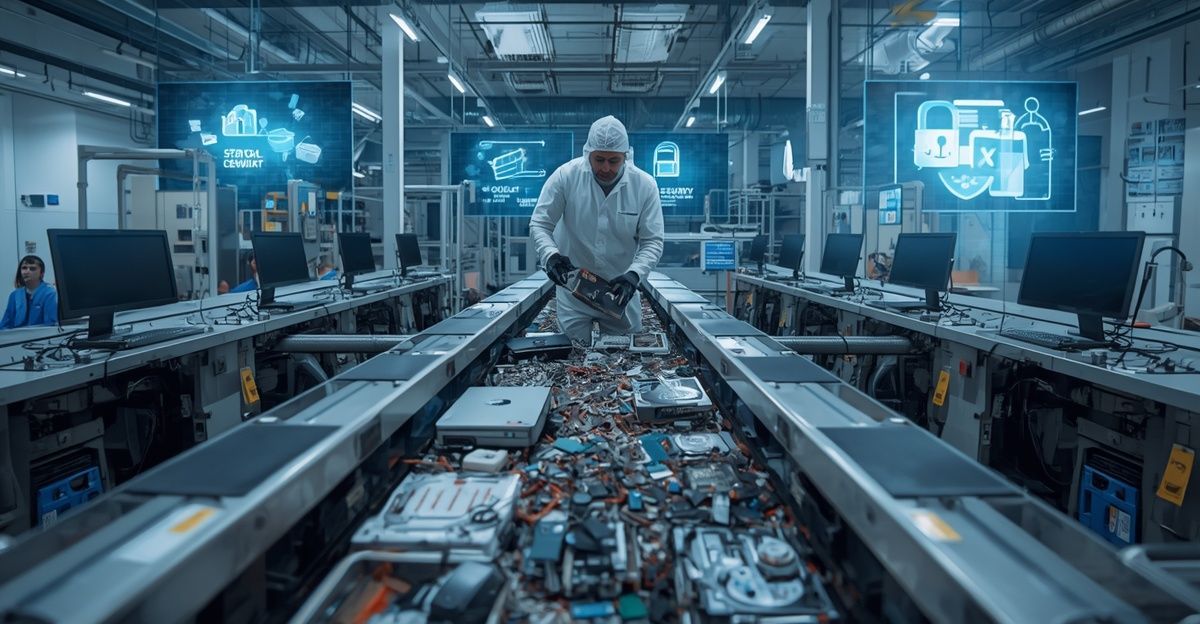
Computer recycling services provide a structured approach to the disposal of outdated or malfunctioning computer equipment. These services not only ensure secure data destruction but also promote the reuse and recycling of valuable components.
Environmental Benefits
- Resource Conservation: Recycling recovers precious metals like gold, silver, and platinum, reducing the need for mining new materials.
- Energy Savings: Recycling metals consumes less energy compared to manufacturing them from raw materials.
- Pollution Reduction: Proper recycling prevents hazardous substances from contaminating the environment.
Economic Benefits
- Job Creation: The recycling industry creates jobs in collection, sorting, and processing.
- Cost Savings: Businesses can save money by recycling old equipment instead of paying for disposal.
Social Benefits
- Community Health: Proper recycling reduces the health risks associated with toxic waste exposure.
- Corporate Responsibility: Companies that recycle responsibly enhance their reputation and demonstrate commitment to sustainability.
Tips for Individual Action on E-Waste
Individuals play a crucial role in the proper management and reduction of electronic waste. Simple, everyday actions can contribute significantly to the overall goal of sustainable e-waste handling.
Proper Disposal
- Local Recycling Centers: Utilize local e-waste recycling centers to ensure that your old electronics are processed correctly.
- Collection Events: Participate in community collection events designed to gather and properly dispose of e-waste.
Smart Purchasing Decisions
- Buy Responsibly: Opt for electronics with eco-friendly certifications and longer lifespans.
- Second-Hand Options: Consider purchasing refurbished or second-hand devices instead of new ones.
Maintenance and Repair
- Regular Maintenance: Keep your electronic devices in good condition through regular maintenance and updates.
- DIY Repairs: Learn basic repair skills or seek professional help to extend the life of your devices instead of replacing them.
Awareness and Advocacy
- Educate Yourself: Stay informed about the environmental impacts of e-waste and the importance of recycling.
- Spread the Word: Advocate for responsible e-waste management among your friends, family, and community.
Electronics Recycling in Massachusetts
Massachusetts has made significant strides in promoting eco-friendly e-waste recycling practices. The state has implemented several programs and regulations to ensure responsible electronic waste management.
State Regulations
Massachusetts law prohibits the disposal of certain electronic devices in regular trash. Items like CRT monitors, TVs, and other electronic devices must be recycled through approved programs.
Available Services
- Municipal Programs: Many municipalities offer free or low-cost electronics recycling events and drop-off locations.
- Certified Recyclers: There are numerous certified recyclers in Massachusetts that adhere to strict environmental and data security standards.
- Retail Take-Back Programs: Major retailers often have take-back programs where consumers can drop off old electronics for recycling.
Leading Examples
- Boston Area Recycling: Several organizations in the Boston area offer comprehensive e-waste recycling services, including secure data destruction.
- Springfield Collection Events: Springfield regularly hosts e-waste collection events to encourage community participation in recycling efforts.
How to Get Started with Eco-Friendly Electronic Recycling
- Identify Your E-Waste: Gather all outdated and unused electronic devices that need recycling.
- Find Certified Services: Look for certified computer recycling services and secure e-waste destruction providers in your area.
- Drop Off or Schedule Pickup: Utilize municipal programs, certified recyclers, or retailer take-back programs to dispose of your e-waste responsibly.
- Stay Informed: Keep abreast of local regulations and recycling opportunities to ensure ongoing compliance and participation.
Conclusion
Adopting eco-friendly practices in electronic recycling is essential for protecting our environment, ensuring data security, and promoting sustainable development.
By understanding the importance of secure e-waste destruction, utilizing computer recycling services, and participating in local recycling programs like those in Massachusetts, we can collectively make a significant impact.
Ready to take the next step? Start by identifying your e-waste and finding certified recycling services today. Together, we can pave the way for a cleaner, safer, and more sustainable future.
Ready To Safely Dispose Of Your E-Waste?
At Data Shredder Corporation in Massachusetts, we understand how crucial it is to destroy sensitive data securely and recycle e-waste. We're here to offer you the best hard drive data destruction and e-waste recycling services in Massachusetts, ensuring your peace of mind while contributing to the planet's health.
Your trust is our top priority, and we're dedicated to safeguarding your information with our certified, dependable solutions. Before a security breach even whispers your name, give us a call at
(508) 906-6080 or fill out our
contact form. Let's get you set up with our services, starting your journey towards complete data security.




Share On: